
Understanding Dietary Support for Men's Vitality
Exploring the role of nutritional compounds, vitamins, and minerals in general male physiological well-being. Presented for educational purposes only.
■ Educational content only. No promises of outcomes. ■ Informational resource only — not a substitute for professional consultation.
Introduction to Male Well-being
The concept of male well-being encompasses a broad spectrum of physiological factors, from energy metabolism and hormonal balance to cardiovascular function and cognitive clarity. Understanding how nutrition fits into this picture is fundamental to a general appreciation of human biology.
A balanced diet provides the body with the essential building blocks needed for countless cellular processes. For adult men, the interplay between micronutrients — vitamins and minerals — and macronutrients forms a complex but well-documented area of nutritional science.
This resource explores the educational dimensions of dietary compounds commonly associated with male vitality. The information presented here reflects scientific consensus regarding general nutritional principles and does not constitute individual dietary guidance.
Nutritional science continues to evolve, and understanding the physiological roles of key nutrients is an important aspect of general health literacy. This resource aims to provide clear, factual context drawn from established research.
The Role of Essential Nutrients
Key vitamins and minerals play specific roles in male physiology. The following overview describes their general functions as understood within mainstream nutritional science.
Zinc
Zinc is an essential trace mineral involved in more than 300 enzymatic reactions within the human body. It plays a foundational role in protein synthesis, cellular division, and the maintenance of normal immune function. Zinc is naturally present in foods such as red meat, shellfish, legumes, seeds, and whole grains.
Magnesium
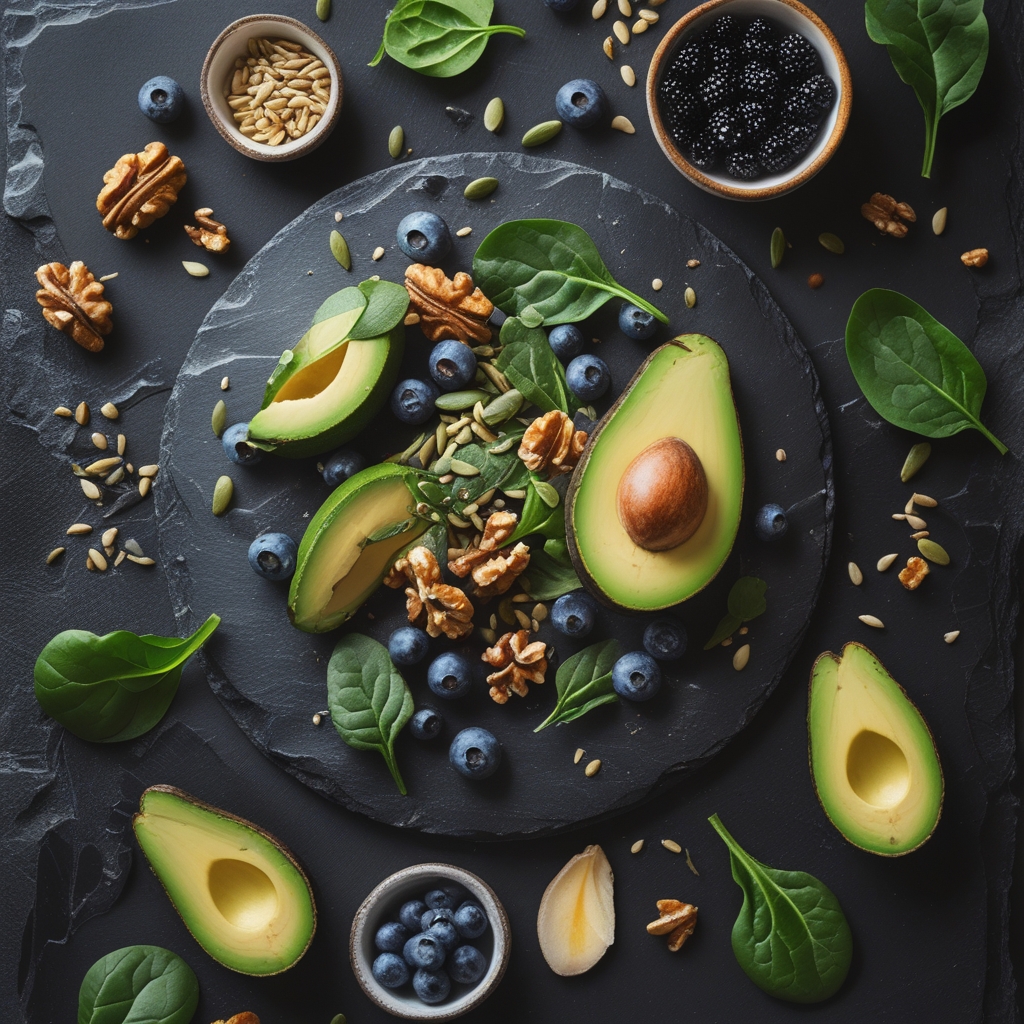
Magnesium is a macro-mineral that participates in over 600 biochemical reactions. It is integral to energy production, muscle contraction, nerve signal transmission, and the structural development of bone. Dietary sources include dark leafy vegetables, legumes, nuts, seeds, and whole grains, making it broadly accessible through a varied diet.
B-Complex Vitamins
The B-vitamin group — including B1, B2, B3, B5, B6, B7, B9, and B12 — collectively supports cellular metabolism and energy extraction from macronutrients. B12 is particularly relevant for neurological function and red blood cell formation. These vitamins are found widely across whole grains, dairy products, eggs, meat, fish, and green vegetables.
Vitamin D
Vitamin D operates as both a vitamin and a prohormone. It is synthesised by the skin upon exposure to ultraviolet B radiation and supports calcium absorption, bone mineralisation, and normal immune responses. In the United Kingdom, Public Health England recommends considering supplementation during autumn and winter months, when sunlight exposure is limited.
Vitamin E
Vitamin E is a fat-soluble antioxidant that protects cell membranes from oxidative damage caused by free radicals. It supports normal immune function and contributes to the maintenance of healthy skin. Major dietary sources include vegetable oils, nuts, seeds, and certain green vegetables such as broccoli and spinach.
Selenium
Selenium is a trace element that functions as a cofactor for antioxidant enzymes, including glutathione peroxidases. It contributes to thyroid hormone metabolism, normal immune function, and the protection of cells from oxidative stress. Brazil nuts, fish, meat, and eggs are among the richest dietary sources of selenium.

Historical Context of Dietary Support
Long before the development of modern nutritional science, cultures across the world identified certain plants, foods, and dietary practices as significant contributors to physical strength and overall vitality. These observations, accumulated over centuries, laid the empirical groundwork for contemporary research.
Traditional Chinese, Ayurvedic, and European herbal practices all documented the use of specific botanical ingredients believed to support stamina and general physical robustness in adult men. While the scientific mechanisms were not yet understood, the consistent cross-cultural documentation of these observations has informed modern research enquiries.
Key Historical Periods
-
Ancient Egypt & Greece
Early records indicate systematic use of foods such as garlic, figs, and legumes, associated with physical endurance in agricultural and military contexts.
-
Medieval Europe
Monastic herbalists catalogued botanical preparations linked to vitality, many of which are now studied for their phytochemical content.
-
18th–19th Century
The emerging field of chemistry began isolating active compounds from plants, bridging the gap between traditional knowledge and systematic analysis.
-
20th Century Onwards
Randomised controlled trials and systematic reviews have provided a framework for evaluating the physiological roles of specific nutrients in male well-being.
Understanding Physiological Processes
Vitamins and minerals do not act as isolated agents within the body; they participate in interconnected biochemical networks. The following overview describes two primary areas in which dietary compounds exert their general physiological influence.
Energy Metabolism and Cellular Function
At the cellular level, energy production is mediated by the mitochondria — organelles that convert nutrients into adenosine triphosphate (ATP), the fundamental energy currency of the cell. B-vitamins, particularly B1 (thiamine), B2 (riboflavin), B3 (niacin), and B5 (pantothenic acid), serve as essential cofactors in the metabolic pathways that convert carbohydrates, fats, and proteins into usable energy.
Magnesium is required for the stabilisation of ATP molecules, making it indispensable to virtually every energy-dependent process in the body. Iron contributes to the oxygen-carrying capacity of haemoglobin, ensuring adequate oxygen delivery to working tissues.
Approximately 300 distinct enzymatic processes require magnesium as a cofactor, illustrating the mineral's central importance to overall metabolic function.
Antioxidant Defence and Cellular Protection
Oxidative stress — the imbalance between the production of reactive oxygen species (free radicals) and the body's ability to neutralise them — is a well-documented contributor to cellular ageing and physiological fatigue. The body's antioxidant defence systems rely heavily on dietary compounds to function effectively.
Vitamins C and E act as direct antioxidants, donating electrons to neutralise free radicals. Selenium functions as a cofactor for the glutathione peroxidase enzyme family, which represents one of the primary intracellular antioxidant systems. Zinc contributes to the structural integrity of the copper-zinc superoxide dismutase enzyme, another key component of antioxidant defence.
The body's antioxidant capacity is significantly influenced by the cumulative intake of dietary micronutrients over time, underscoring the importance of consistent, balanced nutrition.
Balanced Nutrition Principles

Foundations of Dietary Balance
A nutritionally complete diet for adult men should encompass a broad range of food groups to ensure adequate intake of all essential micronutrients. The following general principles are consistent with current guidance from major nutritional bodies in the United Kingdom:
- Prioritise a variety of vegetables and fruits across different colour categories to maximise phytonutrient diversity.
- Include whole grain carbohydrates — such as oats, brown rice, and wholemeal bread — as primary energy sources.
- Incorporate lean proteins from both animal and plant sources, including fish, legumes, poultry, and dairy.
- Maintain adequate hydration; water is essential for nutrient transport and metabolic processes.
- Limit ultra-processed foods, which are often low in micronutrients and high in additives that may interfere with nutrient absorption.
Dietary Sources of Key Nutrients
Most essential vitamins and minerals can be obtained through a varied, whole-food diet. The following list identifies commonly overlooked dietary sources:
- Zinc: Oysters, pumpkin seeds, cashews, chickpeas, and fortified cereals.
- Magnesium: Dark chocolate, avocado, tofu, edamame, and buckwheat.
- Vitamin D: Oily fish (salmon, mackerel), egg yolks, fortified dairy alternatives, and sunlight exposure.
- Selenium: Brazil nuts (one to two per day), tuna, sardines, and sunflower seeds.
- B12: Beef, clams, nutritional yeast, and fermented dairy products.
- Vitamin E: Sunflower oil, almonds, hazelnuts, and wheat germ oil.
Common Misconceptions
Misunderstandings about dietary compounds are widespread and can obscure a clear understanding of the underlying science. The following clarifications are drawn from mainstream nutritional research.
"More is always better when it comes to vitamins."
Many individuals assume that consuming large quantities of vitamins will proportionally enhance their benefits.
"Natural supplements are inherently safe and unregulated."
A common assumption holds that because a product is labelled "natural," it carries no risk and requires no scrutiny.
"A standard modern diet provides all necessary micronutrients."
Some assume that any varied diet automatically meets all micronutrient requirements without any consideration of food quality.
Glossary of Terms
The following definitions clarify key terms used throughout this educational resource. All definitions reflect standard usage in nutritional and physiological science.
Micronutrient
A nutritional compound required by the body in relatively small quantities for normal physiological function. Includes vitamins and minerals, in contrast to macronutrients such as carbohydrates, proteins, and fats.
Bioavailability
The proportion of a nutrient that is absorbed and utilised by the body following ingestion. Bioavailability varies depending on the food matrix, the form of the nutrient, and individual physiological factors.
Antioxidant
A compound that inhibits oxidation reactions in biological systems by neutralising free radicals. Antioxidants protect cellular structures from oxidative damage associated with normal metabolic activity and environmental exposure.
Cofactor
A non-protein chemical compound or metallic ion required for an enzyme's catalytic activity. Many vitamins and minerals function as cofactors in essential metabolic reactions, enabling processes that would not otherwise occur.
Phytochemical
A bioactive chemical compound produced by plants. Phytochemicals include a wide range of molecules such as polyphenols, carotenoids, and glucosinolates, many of which have been studied for their interactions with human physiology.
Trace Element
A mineral required in very small amounts (typically less than 100 mg per day) for normal physiological function. Trace elements include zinc, selenium, iodine, and copper, each of which serves specific enzymatic or structural roles.
Oxidative Stress
A state of physiological imbalance between the production of reactive oxygen species (free radicals) and the body's capacity to neutralise them through antioxidant defences. Persistent oxidative stress is associated with accelerated cellular ageing.
Recommended Daily Allowance
The average daily dietary intake of a nutrient considered sufficient to meet the nutritional requirements of most healthy individuals in a specific demographic group. Values are established by national and international health authorities.
Frequently Asked Questions
The following questions address common points of interest regarding dietary compounds, nutritional science, and the scope of this resource.
Explore the Full Resource
This site offers a range of educational materials on individual nutritional compounds, general physiological context, and the principles of balanced dietary practice.
Limitations and Context
This site provides general informational materials only. It does not offer individual recommendations or health advice. Approaches to well-being can vary greatly, and the information provided here is not a substitute for personal decisions or professional consultation. Always consult a qualified healthcare professional regarding any health-related concerns.